
I’ve been covering tech long enough to watch social media go from “a fun way to see what your college friends are up to” to something closer to a utility and, honestly, a battleground. It’s not the same conversation it was even three years ago. Back then the debate was mostly “Does Instagram make teenagers sad?” Now it’s AI-generated content flooding your feed, lawmakers arguing over age verification, and platforms quietly rewriting their algorithms every few months.
There’s no denying that social media still does a lot of good. People stay in touch across time zones, find communities they’d never find offline, and build entire careers off a following they grew from nothing. But the dark side hasn’t gone anywhere either. If anything, it’s gotten more complicated. So let’s actually break down where things stand right now, not where they stood in 2022.
Social Media by the Numbers in 2026
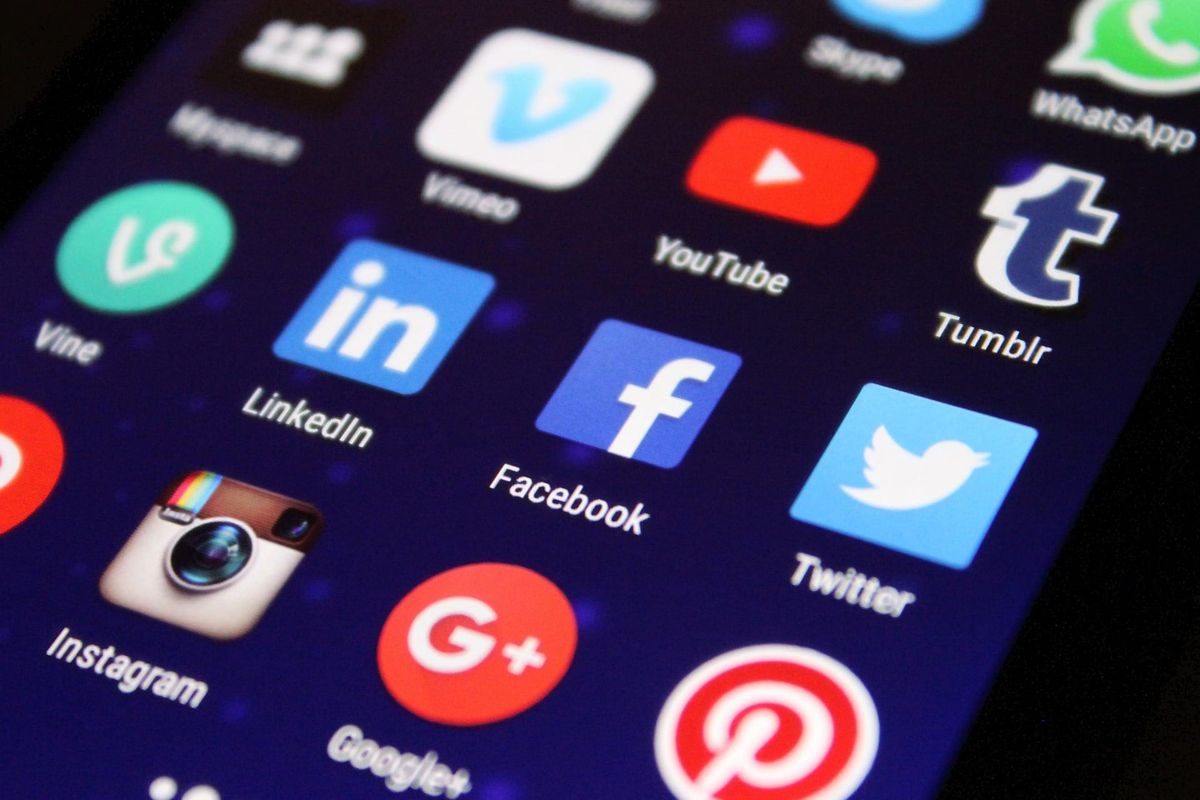
Social media now has roughly 5.79 billion user identities worldwide, more than two out of every three people on the planet, based on the latest global social media user data. That’s a staggering scale for something that barely existed twenty years ago. On average, people are spending around 2 hours and 21 minutes a day on these platforms. That’s not a quick scroll during lunch. That’s a second part-time job.
Facebook still has about 3.22 billion monthly active users, while YouTube and TikTok are close behind, and Instagram passed the billion mark a while ago. Money follows attention, obviously. Ad spending on social platforms is projected to hit $317.33 billion in 2026. That number alone tells you why every platform is fighting so hard to keep you scrolling.
The Good Side of Social Media
I’ll be the first to admit I lean skeptical on a lot of this stuff, but the positives are real. They’re just easy to take for granted.
- Staying connected across distance. Video calls, group chats, and story updates. Families spread across countries can feel present in each other’s lives in a way that just wasn’t possible before.
- Access to information, fast. This includes breaking news, expert commentary, and live updates during emergencies. It’s not always accurate (more on that below), but it’s immediate.
- Career and business building. Freelancers, small businesses, and creators use social platforms as their primary storefront now, and it’s a big reason content marketing keeps outperforming outbound for smaller brands.
- Finding your people. Niche communities around hobbies, health conditions, identities, or interests give people a sense of belonging they might not find locally.
- Mental health resources, sometimes. It’s a mixed bag, but plenty of people genuinely do find useful information and support online, especially around topics that still carry stigma offline.
None of this is new exactly. What’s changed is the scale and how deeply woven these platforms are into daily life now.
The Dark Side of Social Media
Here’s the thing: the negatives haven’t just persisted; some of them have gotten sharper.
Teens themselves are noticing. Nearly half of US teens, 48%, now say social media has a mostly negative effect on people their age, up from 32% just a couple years earlier. More than four in ten teens say their social media use is hurting their sleep and their productivity. Nearly half of teen girls say the platforms make them feel worse about their body image.
Cyberbullying hasn’t gone away either. It’s just moved formats, more video, more anonymous accounts, and more ways to pile on. Privacy concerns are still very much alive too. Every year there’s another story about a platform quietly collecting more data than users realized, and it’s part of why interest in things like anonymous browsing tools such as InstaPV has grown alongside it.
Then there’s the addiction piece. Infinite scroll, algorithmic feeds tuned for engagement over accuracy, and notification systems designed to pull you back in. It’s not accidental. It’s the business model.
AI, Algorithms, and the New Misinformation Problem
This is genuinely the part that’s changed the most since the last time this topic got written about. AI didn’t just change how we make content. It changed how fast bad information spreads.
Misinformation now spreads roughly 70% faster online and reaches audiences about six times faster than accurate content does. That gap used to be bad. Now it’s worse, because generative AI makes fake content cheap and fast to produce. Deepfakes have crossed a real threshold this year. The obvious glitches and tells are mostly gone now, and the tools to make them are sitting on anyone’s phone.
Platforms are responding, to be fair. Meta says it applied AI-driven misinformation labels to roughly 180 million pieces of content on Facebook and Instagram over a recent six-month stretch. Whether labeling actually changes behavior is a separate question. Plenty of people scroll right past a warning label without reading it.
I don’t think this problem gets solved anytime soon. Detection tools and generation tools are basically racing each other, and generation has the head start.
Governments Are Stepping In
This is the part that genuinely surprised me researching this update. A few years ago, “should the government regulate social media” was mostly a hypothetical. Not anymore.
Australia’s ban on social media accounts for under-16s came into force in December 2025, and other countries are watching closely to see how enforcement plays out. In the US, it’s messier. Some states have laws actually in effect right now requiring age verification or parental consent. Others have had similar laws blocked in court on free speech grounds. New York finalized rules under its SAFE for Kids Act in mid-2026, and the law is set to take effect in January 2027, limiting the addictive algorithmic feeds platforms can show minors.
It’s not just algorithmic feeds either. As AI systems get folded into these platforms, who actually owns and trains on your data is becoming part of the same regulatory conversation. Nothing about this is settled. Expect more lawsuits, more state-by-state patchwork, and probably a federal law that gets talked about for years before anything actually passes.
How to Use Social Media Without Letting It Use You
A few practical habits go a long way here. Turn off non-essential notifications so the phone isn’t the one deciding when you check in. Use the screen time tools built into your phone; most people underestimate their daily total by an hour or more. Be deliberate about who and what you follow, since your feed is basically a mirror of your past clicks, not a neutral view of the world. And when something online triggers a strong emotional reaction, that’s usually the moment to pause and verify before sharing, not after.
Social media isn’t going anywhere, and honestly it shouldn’t. It’s done real well for many people. But going in with your eyes open, especially with how fast AI has changed the misinformation landscape, matters more now than it did even two years ago.